Gut health weight loss is gaining increased attention among health experts and enthusiasts alike, and for good reason. The gut, often called the “second brain,” plays a crucial role not only in digestion but also in metabolism, immunity, and mental well-being. This article delves into the journey of Dr. Saurabh Sethi, a leading AIIMS gastroenterologist, who successfully lost 30 lbs (approximately 15 kgs) and reversed his fatty liver disease by focusing on three simple yet scientifically proven gut health improvements. His story and expert advice provide a roadmap to sustainable health transformations.
Table of Contents
What is Gut Health and Why Does It Matter for Weight Loss?
Gut health refers to the balance and function of microorganisms, cells, and digestive processes within the gastrointestinal tract. A healthy gut ecosystem is rich in beneficial bacteria that support digestion, nutrient absorption, and immune function. Conversely, an imbalanced gut can lead to inflammation, insulin resistance, poor metabolism, and diseases such as fatty liver and obesity.
Research indicates that gut microbiota diversity directly influences body weight regulation. According to a 2020 study published in Nature Communications, overweight individuals often show decreased diversity of gut bacteria compared to lean counterparts, suggesting the gut environment’s pivotal role in weight gain and loss.
Dr. Sethi’s insight echoes this: “The gut microbiome isn’t just about digestion—it sets the foundation for your entire metabolic health.”
Dr. Sethu’s Health Transformation: A Summary
Despite his medical knowledge, Dr. Sethi initially struggled to lose weight for years using traditional methods like calorie counting and exercise. His breakthrough came when he shifted his focus to improving gut health through dietary and lifestyle changes. These changes led to:
- A weight loss of 30 lbs (15 kgs) in under a year
- Reversal of fatty liver disease confirmed by medical imaging
- Stabilization of blood glucose levels
- Enhanced energy, mental clarity, and sleep quality
His approach can inspire and guide anyone eager to achieve lasting health improvements.
The 3 Key Gut-Focused Changes for Weight Loss and Liver Reversal
1. Quality Over Quantity: Focus on Whole, Anti-Inflammatory Ingredients
Traditional dieting emphasizes calorie restrictions, often ignoring food quality. Dr. Sethi advises shifting the mindset: “Instead of obsessing over calories, prioritize real, anti-inflammatory foods that nourish your gut microbiome.”
Examples include:
- Fresh vegetables and fruits rich in polyphenols and fiber
- Fermented foods like yogurt, kefir, and idli that provide probiotics
- Avoiding processed foods high in trans fats, artificial sweeteners, and added sugars that damage gut bacteria
These choices help reduce gut inflammation, restore bacterial diversity, and improve digestion, all critical for metabolic health.
2. Carbohydrates Reimagined: Control Blood Sugar Spikes with Balanced Meals
Carbohydrates often get a bad reputation in weight loss. However, Dr. Sethi emphasizes balancing carbs with fiber, protein, and healthy fats to prevent sugar spikes, which trigger insulin release and fat storage.
Scientific evidence shows that blood sugar spikes followed by insulin surges promote fat accumulation, especially in the liver, worsening fatty liver disease.
Practical tips from Dr. Sethi include:
- Pairing rice or wheat with lentils and vegetables
- Including nuts or avocado to meals for healthy fats
- Choosing complex carbs rich in fiber like quinoa, oats, and whole pulses
This approach moderates glucose supply, supporting steady energy and fat metabolism.
3. Embrace Fiber and Fermented Foods to Feed Good Bacteria
Fiber is the cornerstone of gut health, serving as prebiotics to beneficial bacteria. These bacteria ferment fiber into short-chain fatty acids like butyrate, which reduce inflammation and improve liver function.
Dr. Sethi increased his fiber intake by incorporating:
- Legumes like chickpeas, kidney beans, and moong dal
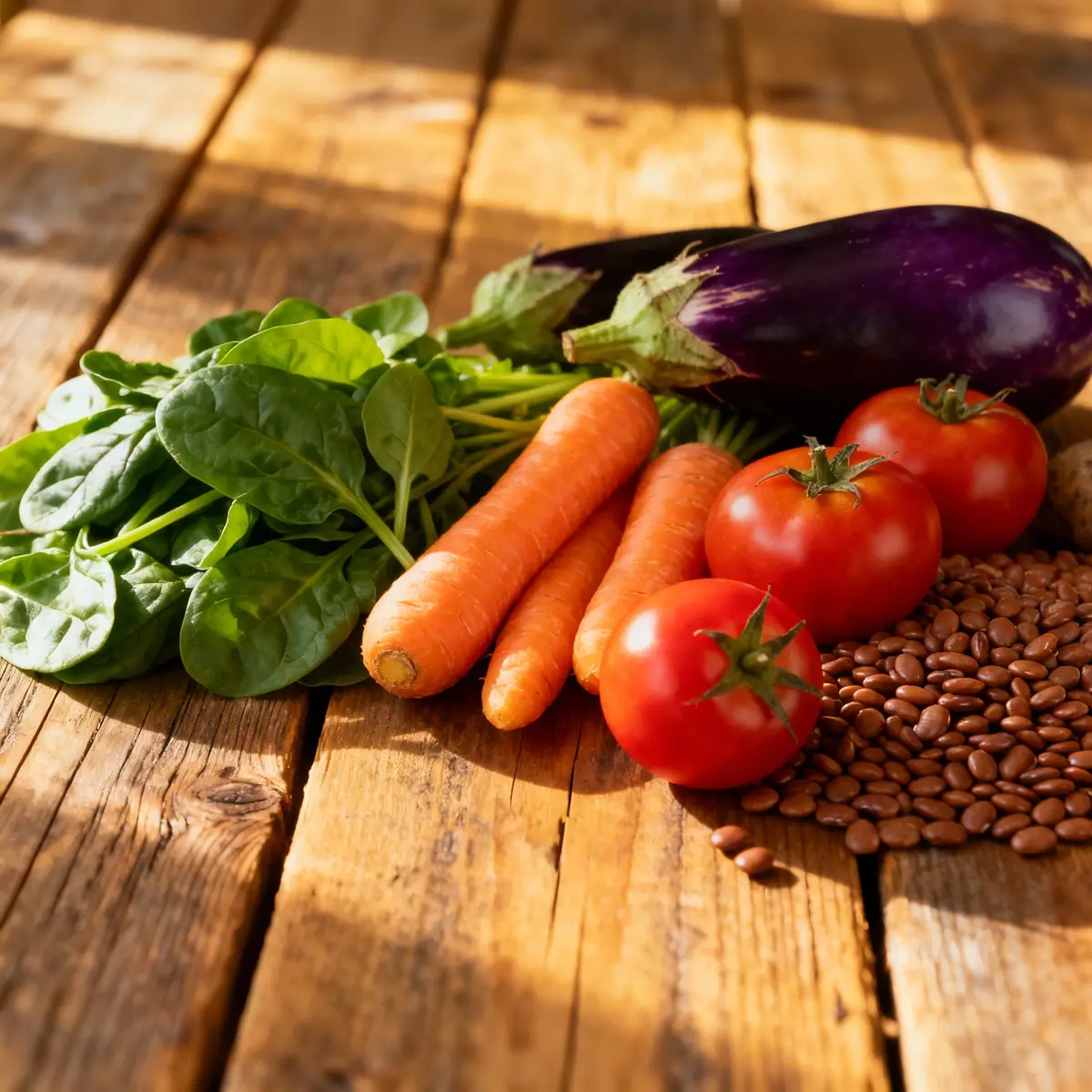
- Vegetables such as spinach, carrots, and broccoli
- Whole grains including millets and brown rice
- Fermented foods like curd, kimchi, and homemade pickles
Studies published in The Journal of Hepatology confirm that higher fiber intake is associated with reduced progression of fatty liver disease.
Real-World Example: How Fiber Helped Reverse Fatty Liver
In a clinical trial involving 130 patients with non-alcoholic fatty liver disease (NAFLD), those consuming a high-fiber diet for 12 weeks showed a 25% decrease in liver fat compared to a control group. This scientific evidence aligns with Dr. Sethi’s experience, demonstrating the power of gut-friendly diets.
How Gut Health Influences Other Aspects of Wellness
A balanced gut boosts immunity—a critical layer of defense against infections—and improves hormone regulation, which impacts mood and stress. Better gut function also supports nutrient absorption, enabling the body to utilize vitamins and minerals essential for overall vitality.
By fixing his gut microbiome, Dr. Sethi reported:
- Improved sleep patterns and reduced brain fog
- Decreased cravings for junk food
- Larger improvements in mental resilience
Common Misconceptions About Gut Health and Weight Loss
- Myth: “All fats are bad.”
Fact: Healthy fats from nuts, olive oil, and avocados support gut health and metabolism. - Myth: “Probiotics alone can fix gut health.”
Fact: A combination of probiotics (fermented foods), prebiotics (fiber), and diet quality is necessary. - Myth: “Cutting all carbs is the only way to lose weight.”
Fact: Balanced carbs with fiber promote metabolic stability and sustainable weight loss.
Actionable Tips To Start Improving Your Gut Health Today
- Replace sugary drinks with herbal teas or water infused with lemon and mint.
- Add at least one fermented food per day, such as yogurt or dosa.
- Include at least 25-30 grams of fiber daily through beans, vegetables, and whole grains.
- Avoid artificial sweeteners and minimize processed snack foods.
- Eat mindfully, chewing food well to support digestion.
Statistics That Highlight the Importance of Gut Health and Weight Loss
- According to the World Health Organization (WHO), over 39% of adults worldwide are overweight, and 13% are obese (2024).
- NAFLD affects approximately 25% of the global population, with obesity as a leading cause.
- Studies estimate that improving dietary fiber intake could reduce obesity prevalence by up to 20%.
FAQ Section: Gut Health Weight Loss
Q1: How soon can I expect results from improving gut health?
Results vary, but noticeable changes in energy and digestion can take 2-4 weeks, while weight loss and fatty liver reversal typically show over several months with consistent effort.
Q2: Can gut health changes help other conditions?
Yes, improved gut health positively impacts diabetes, autoimmune diseases, anxiety, and inflammation-related conditions.
Q3: Are supplements necessary for gut healing?
Supplements like probiotics can help, but whole foods and dietary changes are more effective for long-term gut restoration.
Disclaimer
This article provides general health information based on the experiences and professional insights of Dr. Saurabh Sethi. It is not intended to substitute personalized medical advice. Please consult a healthcare professional before undertaking major dietary or lifestyle changes, especially if you have pre-existing health conditions.
Medical Disclaimer
The content provided in this article is for informational and educational purposes only and is based on the personal experience and professional insights of Dr. Saurabh Sethi, AIIMS gastroenterologist. It is not intended to replace professional medical advice, diagnosis, or treatment. Always seek the guidance of your qualified healthcare provider or physician before making any changes to your diet, exercise routine, or lifestyle, especially if you have existing medical conditions or are taking medications.
Reliance on the information presented here is solely at your own risk. The author and publisher disclaim any liability for adverse effects or consequences resulting from the application of the information contained in this article. Individual results may vary and are affected by multiple factors including genetics, lifestyle, and compliance.
References
- Hindustan Times: “AIIMS gastroenterologist shares how he lost 15 kgs and reversed fatty liver”
- Times of India: “What most people miss about weight loss: How an AIIMS gastroenterologist lost 15 kg and reversed fatty liver”
- The Journal of Hepatology: Clinical studies on fiber and NAFLD
- World Health Organization (WHO) Obesity Statistics 2024
More on: WightLoss.uJustTry.com